
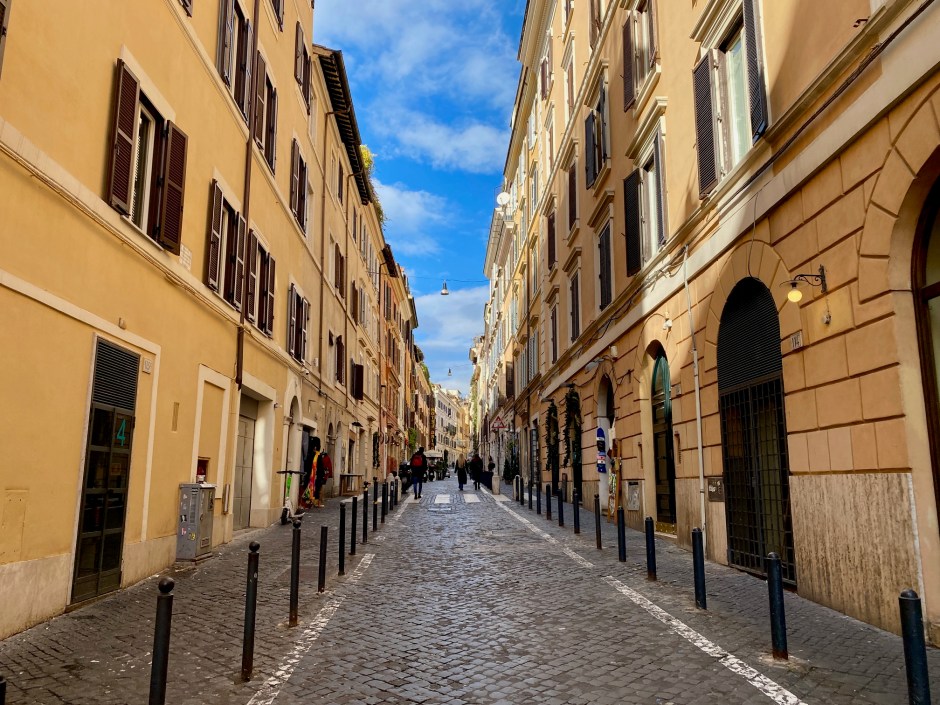
Have you ever experienced that perfect feeling when your travel timing aligns just right? That’s exactly how I felt last month during our family trip to Rome. At first, we hesitated to plan a visit, concerned by Rome’s reputation for being crowded and hectic. However, choosing to travel in January turned out to be an excellent decision. The city was calm, enjoyable, and far less busy than expected. Read on to see why I believe January is the ideal month for exploring Rome.
We arrived in Rome on January 6th, which falls on the Catholic holiday of Epiphany and is still part of the Christmas season. Because of this, festive lights remained up throughout our stay into mid-January, creating a warm and cheerful atmosphere even during winter evenings.
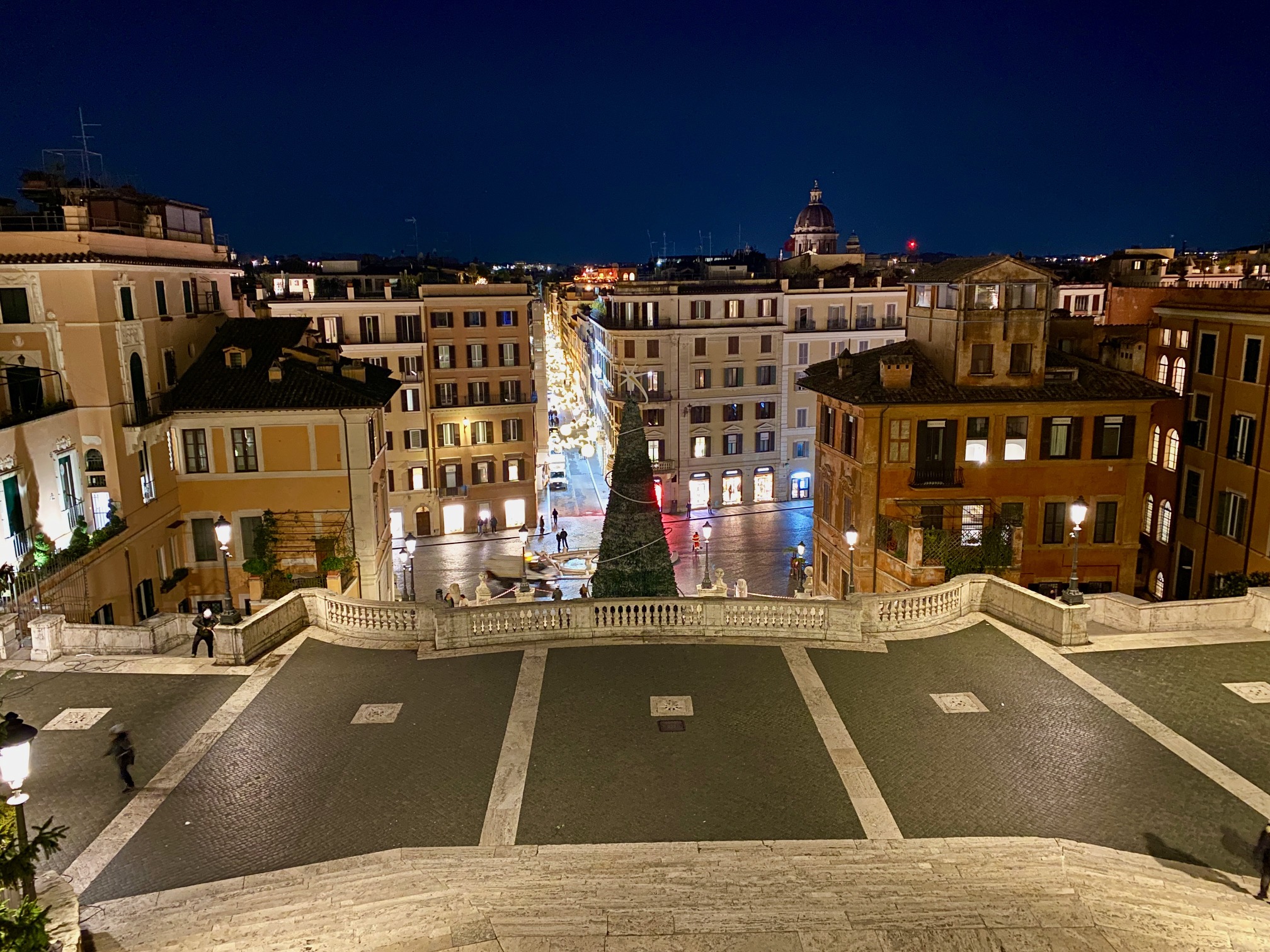
During our visit, we explored many famous sites in Rome and found them pleasantly uncrowded—sometimes almost empty—compared to busier times of the year. This allowed us to enjoy our tours much more: guides at the Vatican and on our Pompeii day trip could cover extra material without delays from crowded spaces or long security lines. They often remarked about how unusually quiet it was. We also never had to wait for tables at popular restaurants.
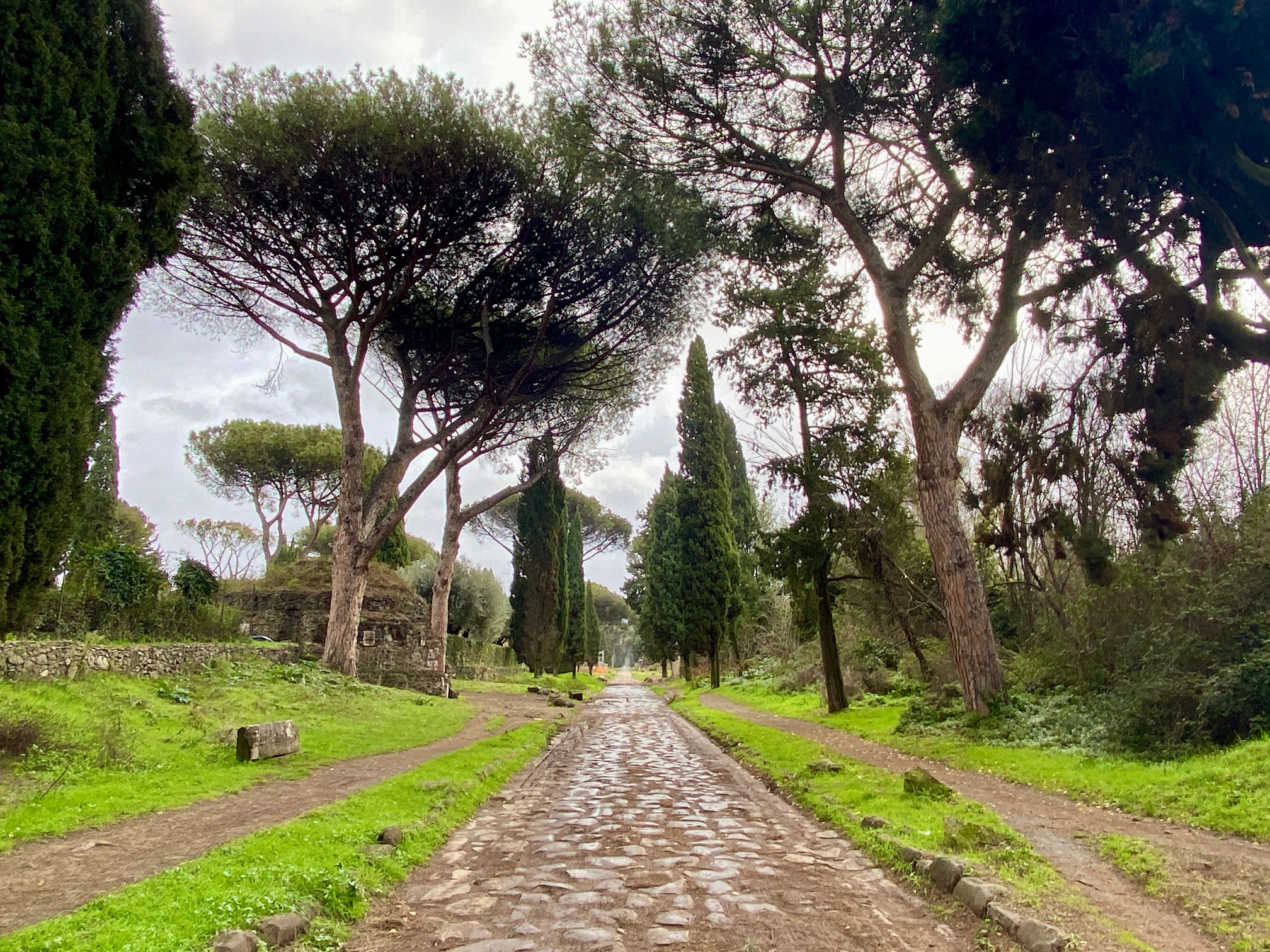
January is an excellent time to visit Rome because temperatures are generally mild and rarely drop below freezing. You’ll need a coat and some layers, but it’s still pleasant and sunny enough to enjoy walking around. Plus, with so many museums and churches among the city’s main attractions, it’s easy to add indoor activities to your daily plans.
Hotel prices were reasonable as well. For example, we paid an average of 155 euros per night for a triple room over six nights (Monday to Sunday). By comparison, booking the same hotel for a similar period in early June would cost about 260 euros per night.
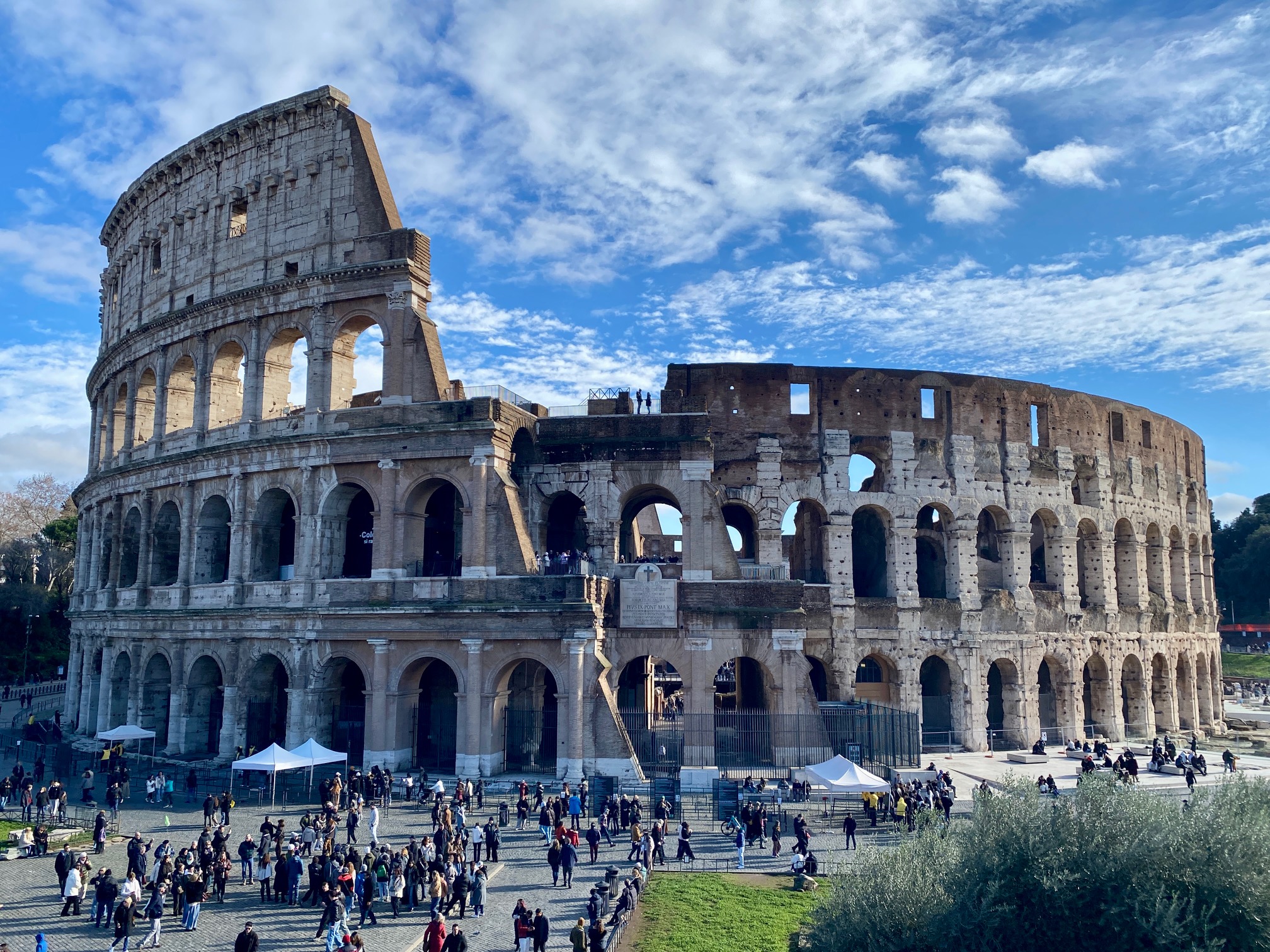
Another wonderful aspect of visiting Rome during its quieter season was the friendliness and openness of people working in tourism and hospitality—they had time to chat with us and share local insights, which might not happen during peak periods. We also noticed more local residents out and about, giving us a glimpse of where Romans themselves like to spend time in their city.
I will cherish our January trip to Rome. Being able to enjoy the city’s art, history, and cuisine in a quieter period with a cozy post-Christmas vibe felt truly special. I hope you’ll also consider visiting the city during this time of the year.
 Noelle Across The Pond
One thought on “Why January is the Best Time to Visit Rome”