
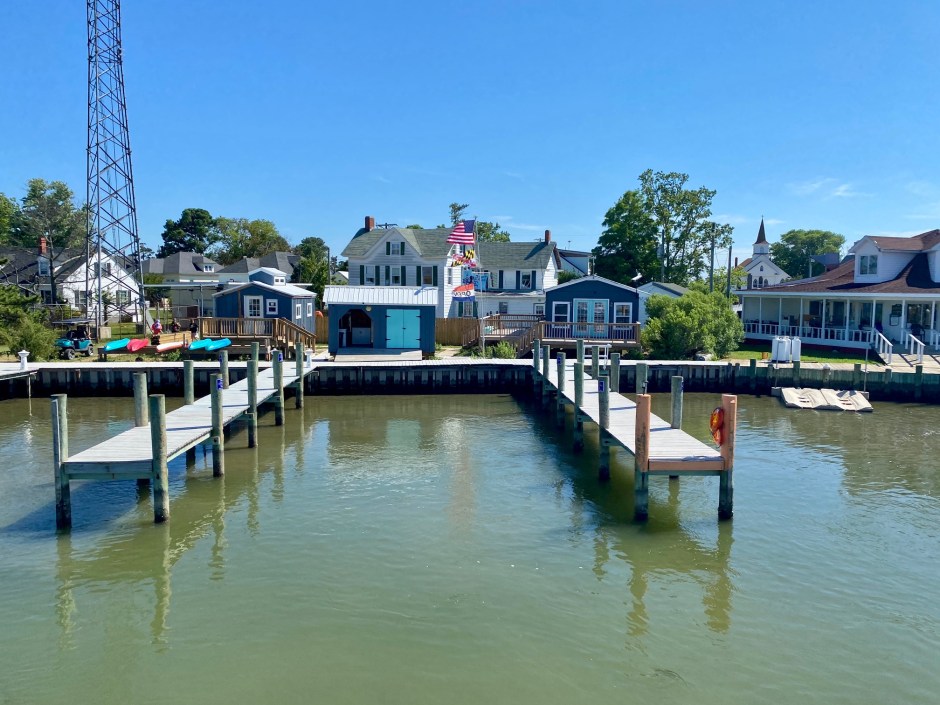
Smith Island is an island on the Chesapeake Bay and is the last inhabited island in Maryland that is not accessible by vehicle. English settlers first moved to the island in the 17th century, and it is known today for its crabbing and oyster industries. Smith Island is home to approximately 350 people and has three island communities: Ewell, which is the largest, Tylertown, and Rhodes Point. On my visit to the island I visited Ewell and Rhodes Point.
Smith Island is also the birthplace of Maryland’s official dessert, the Smith Island cake, which is characterized by multiple thin layers alternating cake and frosting, with the most popular and traditional being yellow cake with chocolate fudge frosting.
Here’s my experience visiting the island this past June.
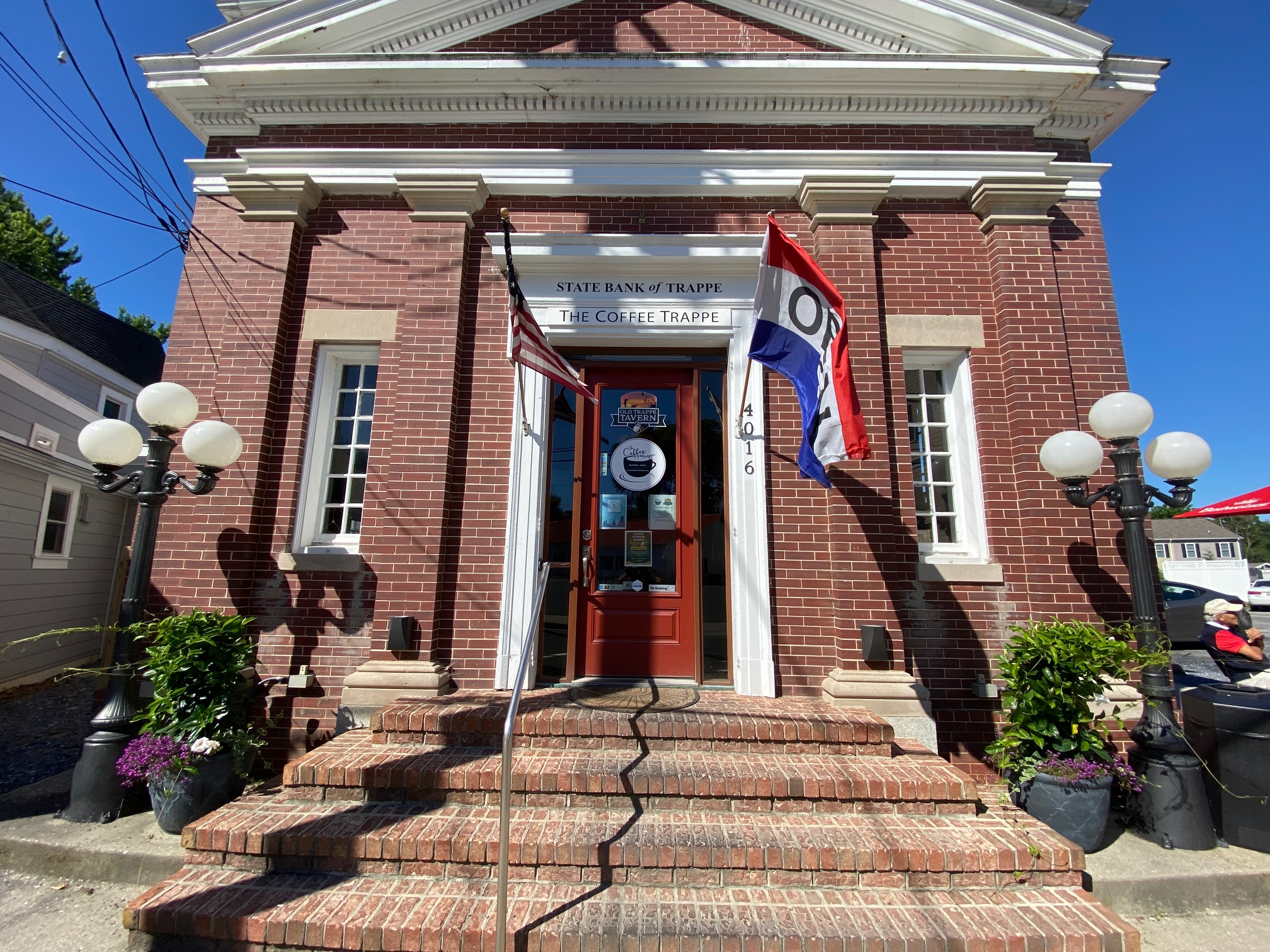
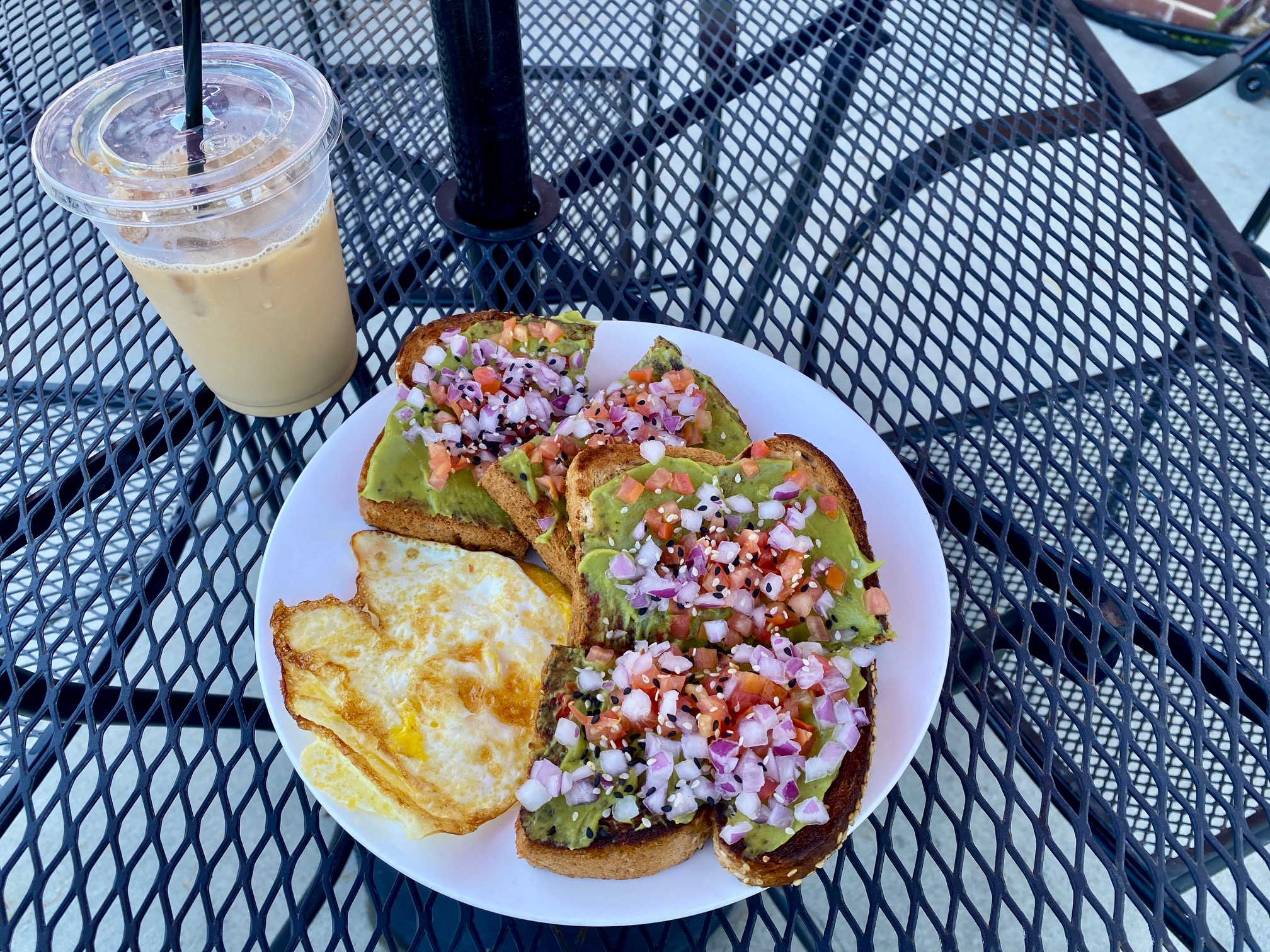
As I was coming from the Baltimore area, I stopped for breakfast in the small town of Trappe, Maryland at a coffee shop called The Coffee Trappe. The Coffee Trappe is located in a former historic bank building (the bathroom is where the bank vault used to be!). While there I enjoyed an iced latte and avocado toast. I then continued on with my drive down to Crisfield, Maryland.

To get to Smith Island, it is a one hour ferry from Somers Cove Marina in Crisfield. I cruised with Smith Island Cruises. The ferry leaves the marina at 12:30pm, giving you just under 2.5 hours on the island. After purchasing your ticket online, you will have to pick up a wristband from the Captain Tyler Motel which is down the street from the marina in Crisfield. The round trip ticket for one adult is $32. The ferry runs from May till October; days of departure depend on the month.
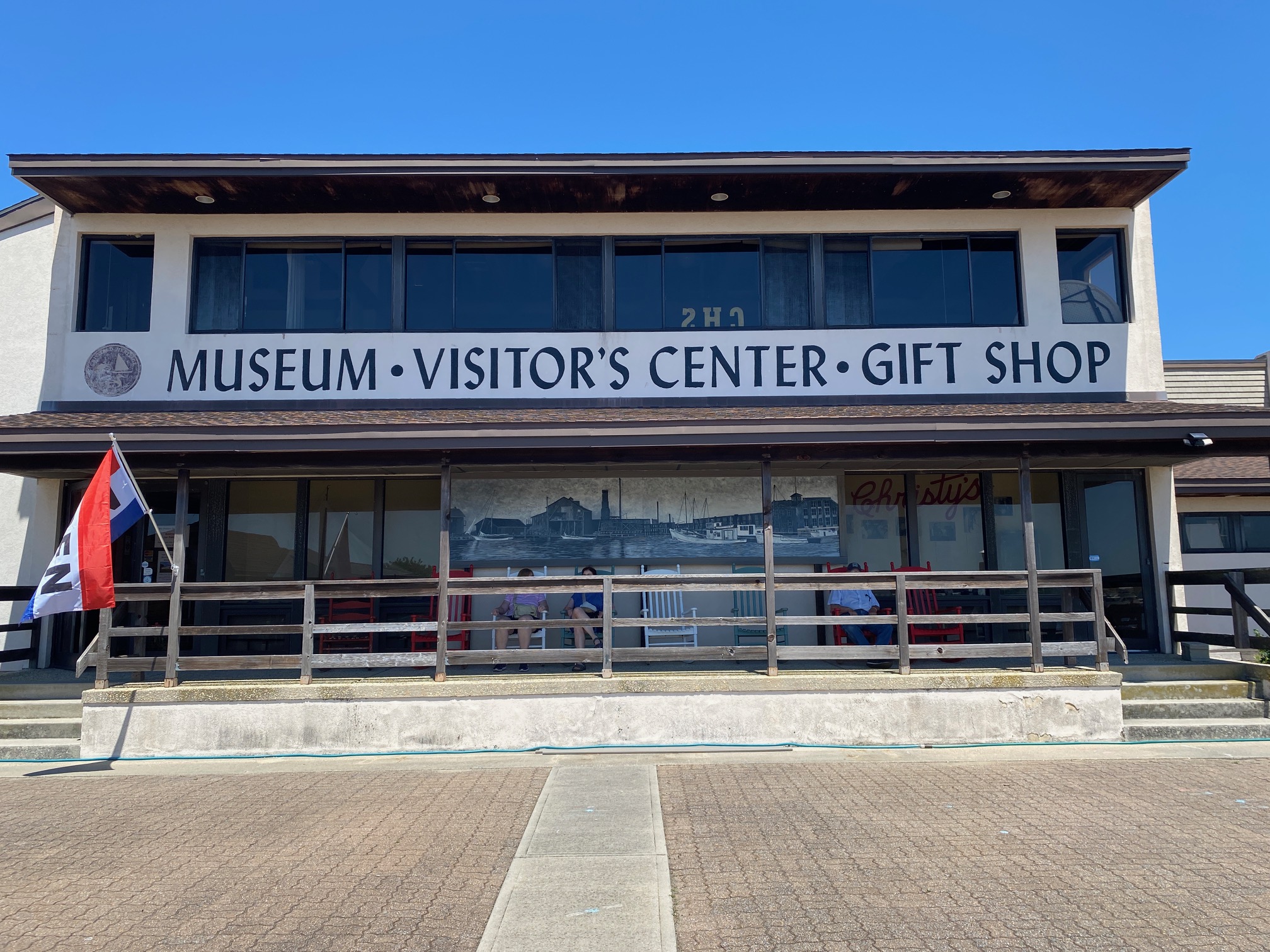
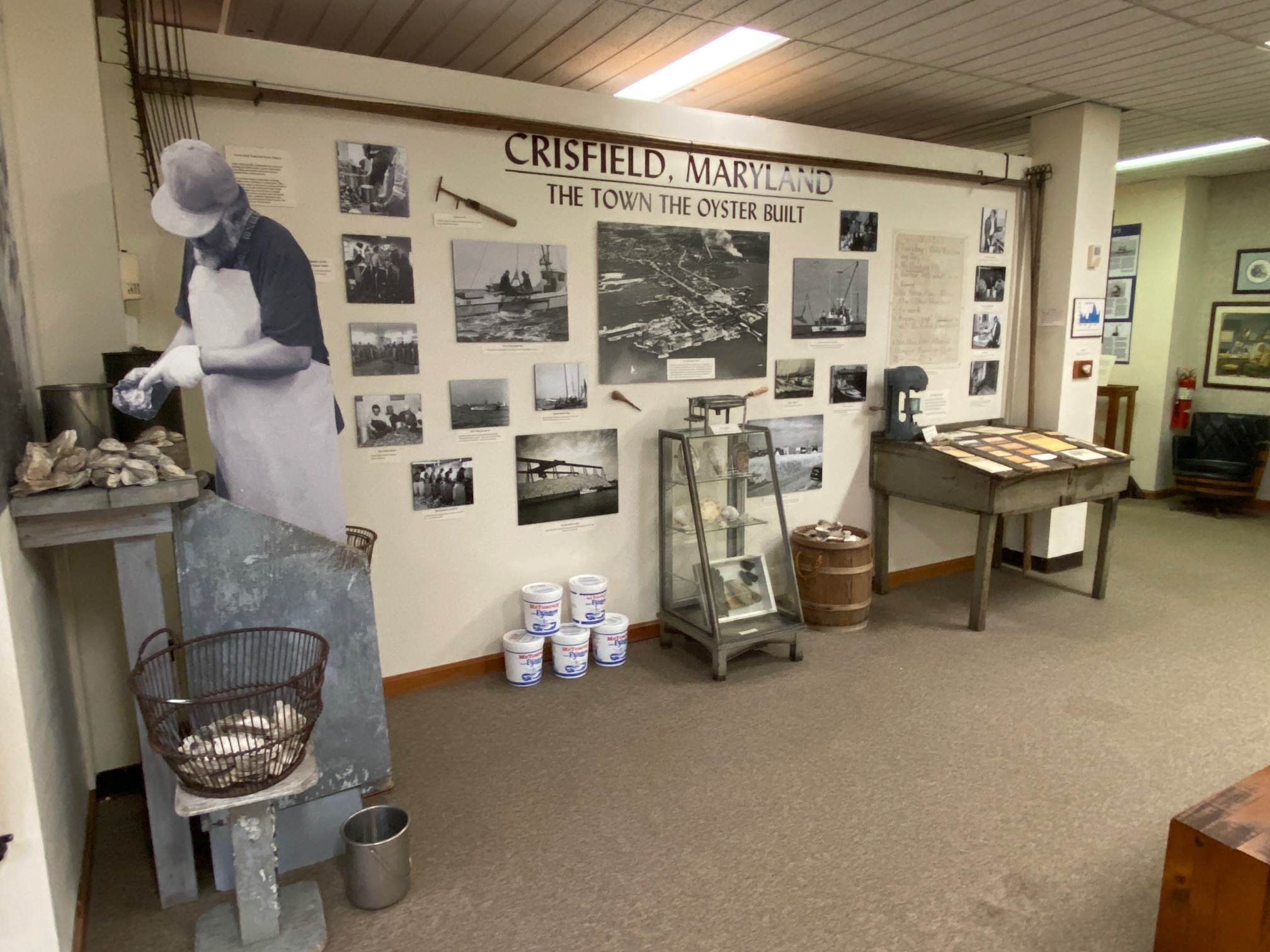
As I got to Somers Cove Marina a bit early, I stopped in at The Tawes Museum that is at the marina. This is a free museum that showcases the history of the city of Crisfield, in particular that it has been home to multiple seafood oriented industries. There is also a small gift shop and restrooms at the museum. I enjoyed the museum and would recommend making time to stop there before your ferry ride.

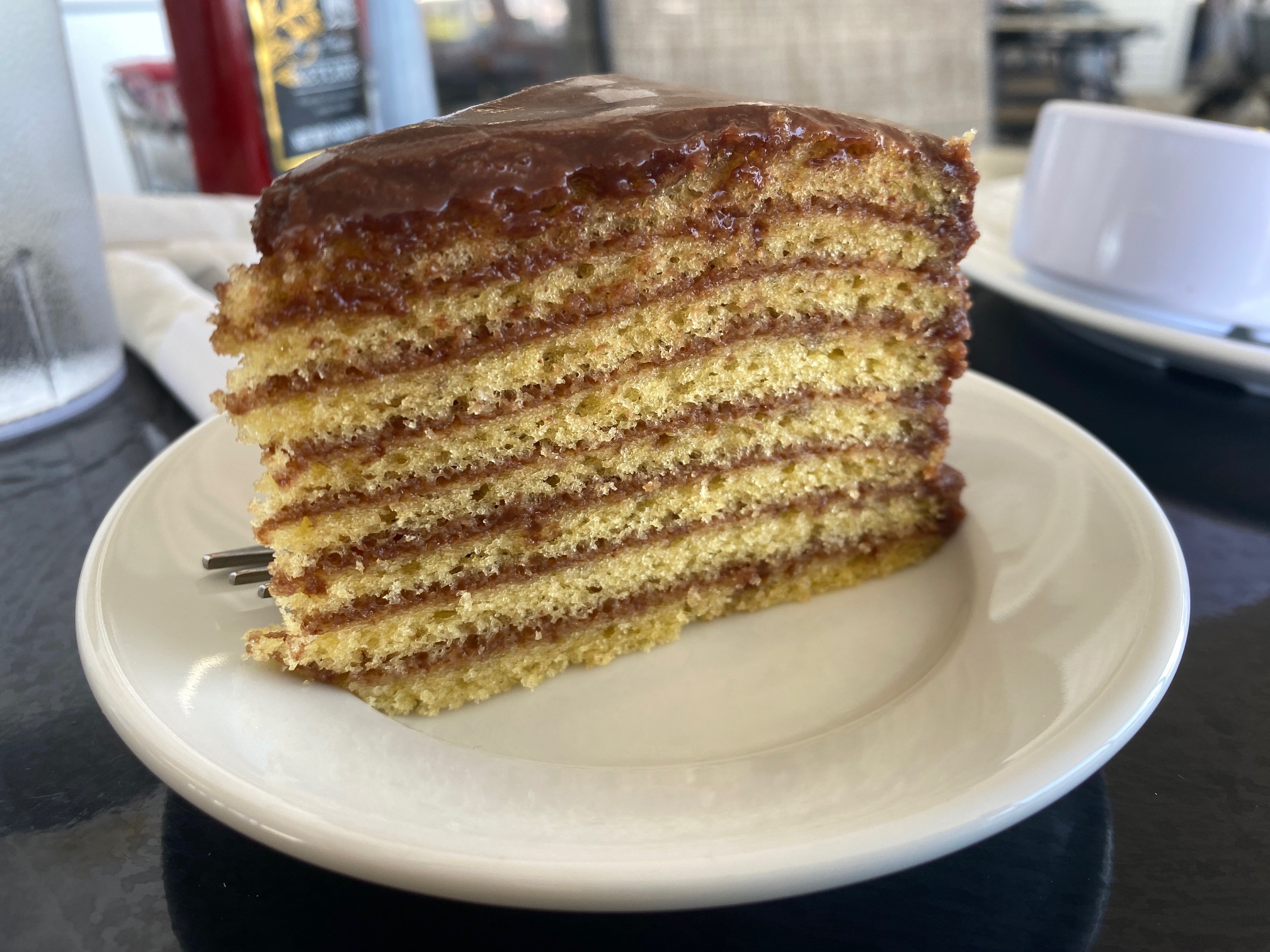
It was then time for the ferry to the island. After the hour-long ride there, I was ready for some lunch. The ferry pulls up right in front of the Bayside Inn Restaurant, which is known for their delicious fresh-caught crab. I ordered their crab cake platter and a piece of chocolate Smith Island cake. The crab was tender and tasty while the Smith Island cake was so rich I almost couldn’t finish it!


Once I was done with lunch I went just around the corner from the restaurant and rented a golf cart. It was $25 to rent the golf cart for an hour; you can also rent for a half an hour or for the day. My goal in renting the golf cart was to see as much of the two island communities of Ewell, where I was starting from, and Rhodes Point, as possible. As I left Ewell, I made my way to Rhodes Point which is just under 10 minutes away and drove around that community, and then came back to drive around the Ewell community. This full drive in the golf cart took about 45-50 minutes.
Do note that when renting the golf cart you should let the employees know if you are planning to go to Rhodes Point. Since flooding can occur on the roads to Rhodes Point (although nothing was flooded when I visited) they will have you take a gas-powered (rather than electric) golf cart if you want to go there.
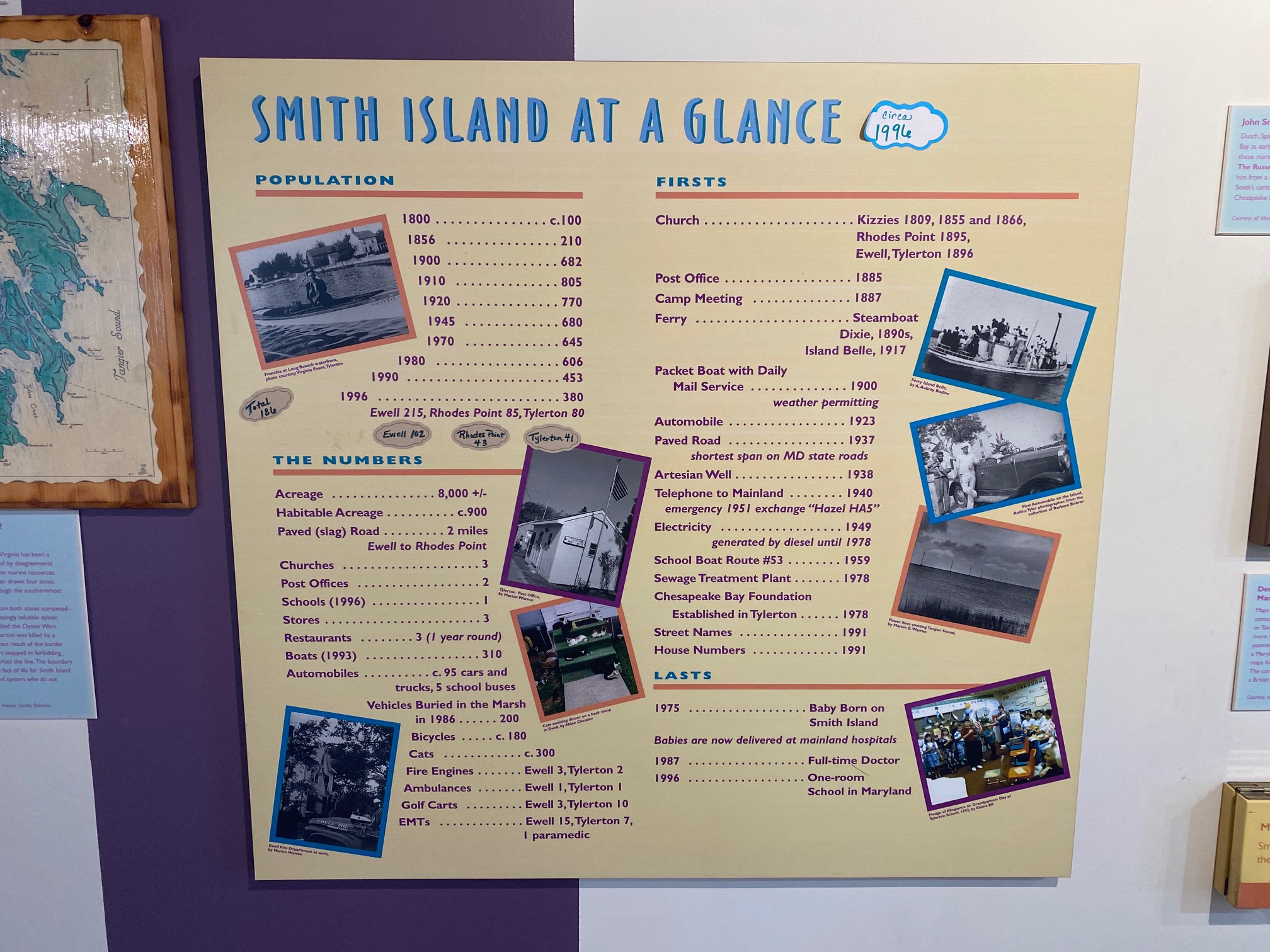
Once I was done touring the island I returned the golf cart and walked a few minutes over to the Smith Island Cultural Center ($3 entry fee). The cultural center has a 15 minute documentary film about the island as well as exhibits about the island’s history and lifestyle. In the documentary it was interesting to hear from locals about what life on the island is like. I then spent a few minutes looking at the exhibits before I needed to head to the ferry for the ride back.
The ferry departs Smith Island at 4pm and arrives back in Crisfield at 5pm. I then made my way back home to the Baltimore area.
Overall this was a wonderful day out. I really enjoyed visiting Crisfield and Smith Island and learning about their contributions to the state of Maryland’s history in the crabbing and seafood industries.
 Noelle Across The Pond